Welcome to Yongyi Fasteners, Your Reliable Fastener Supply Partner!


-
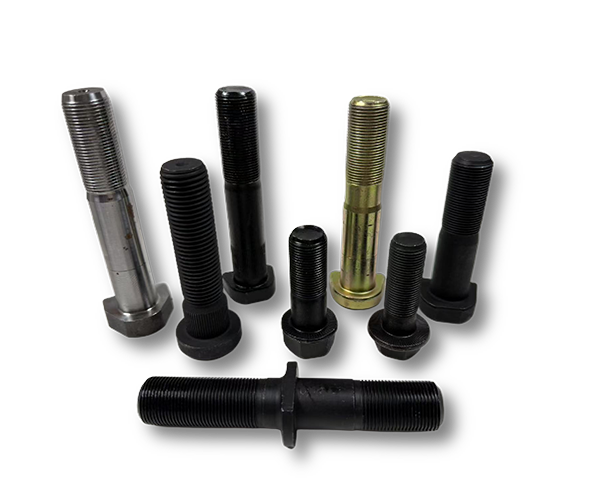
ProductsWe supply flat washers, spring washers, drop-in anchors, anchor bolts, hex nuts, hex bolts, sleeve anchors, threaded rods and OEM fastener products to DIN, BS, ANSI and MS standards.
-
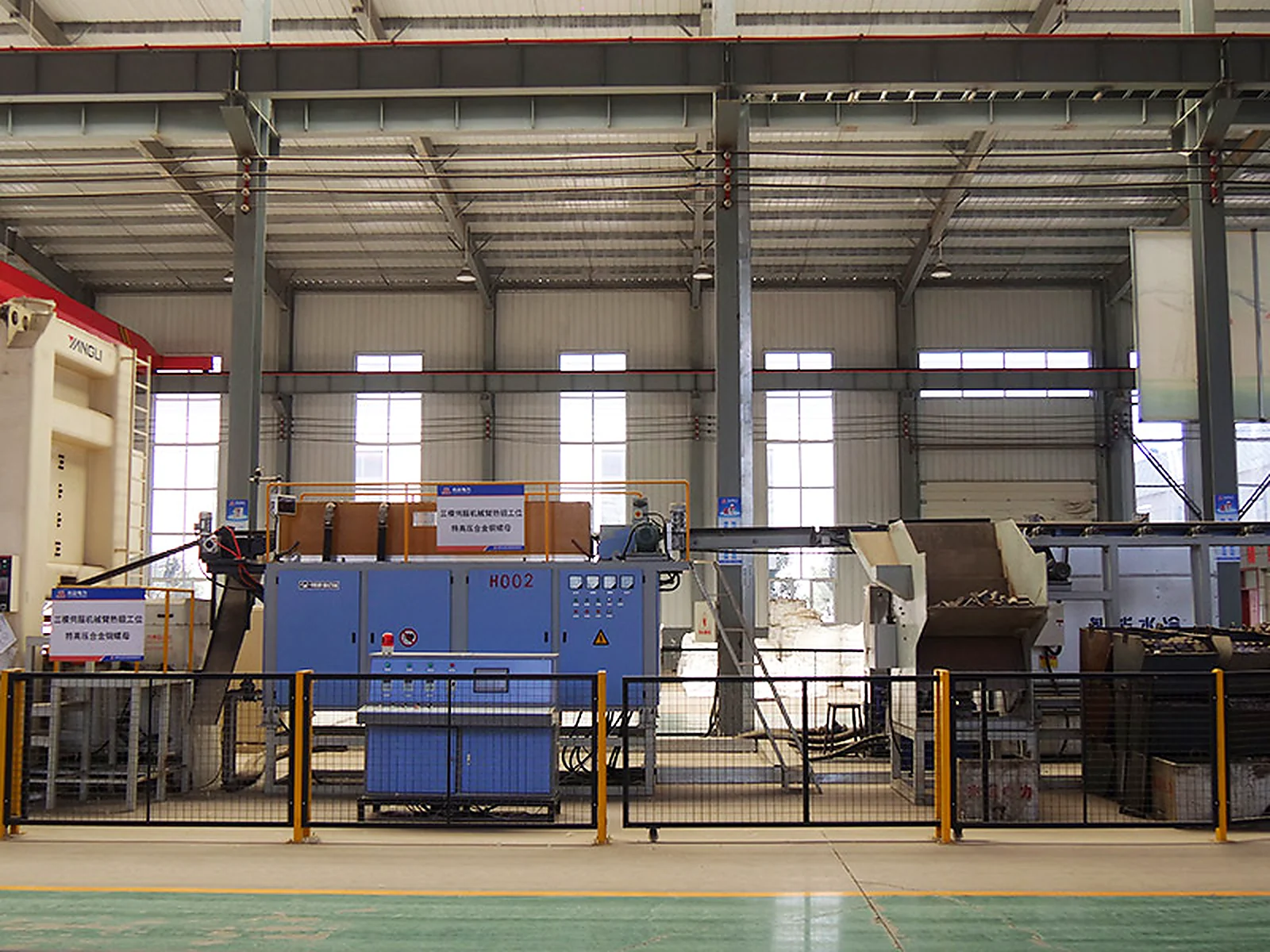
About usLearn about Hebei Yongyi Fasteners Manufacturing Co., Ltd., our factory, certificates, production equipment and quality-control capabilities in Yongnian, China.
-
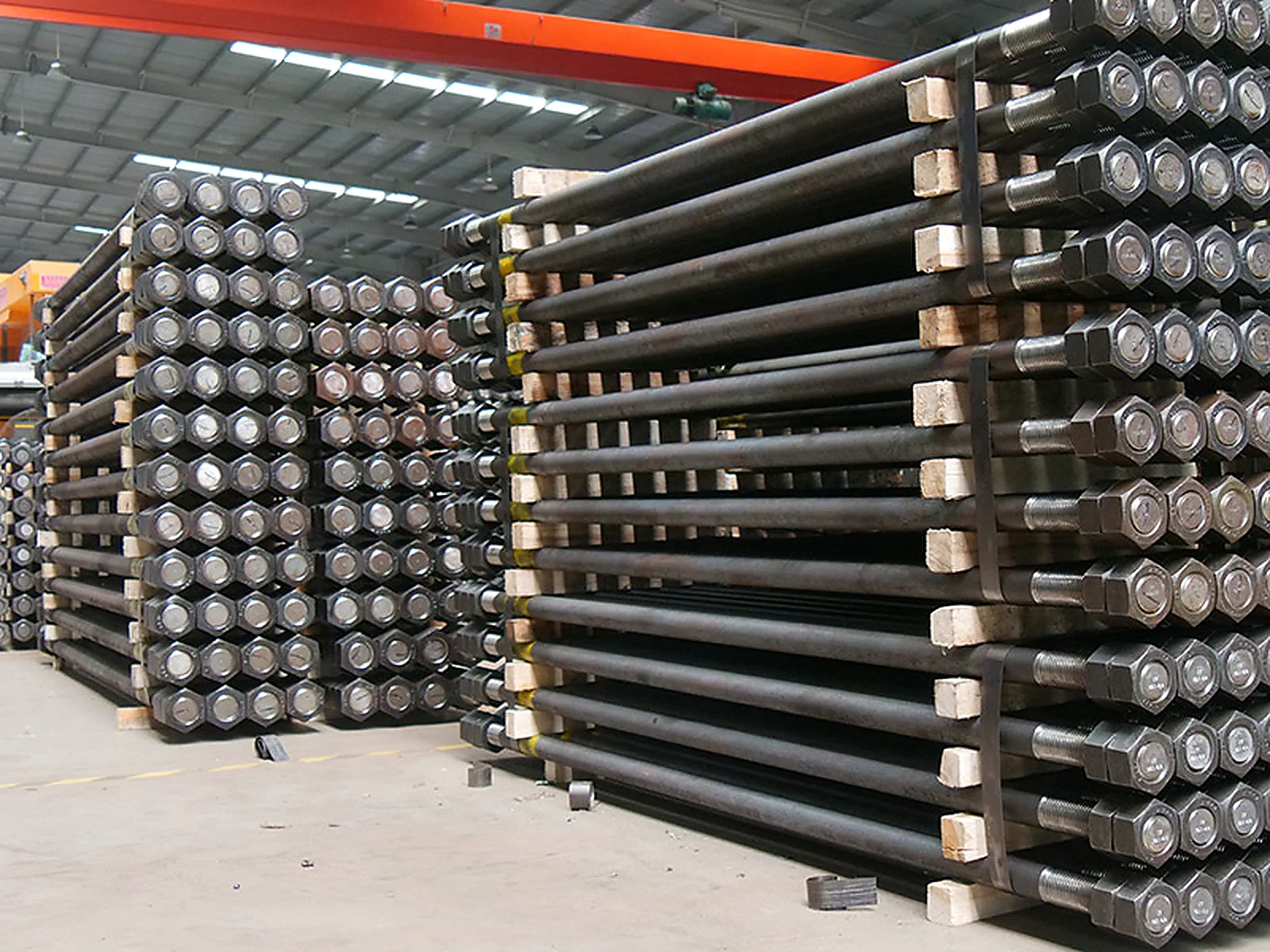
NewsHebei Yongyi Fasteners shares company updates, product knowledge and fastener industry news for global buyers.
-
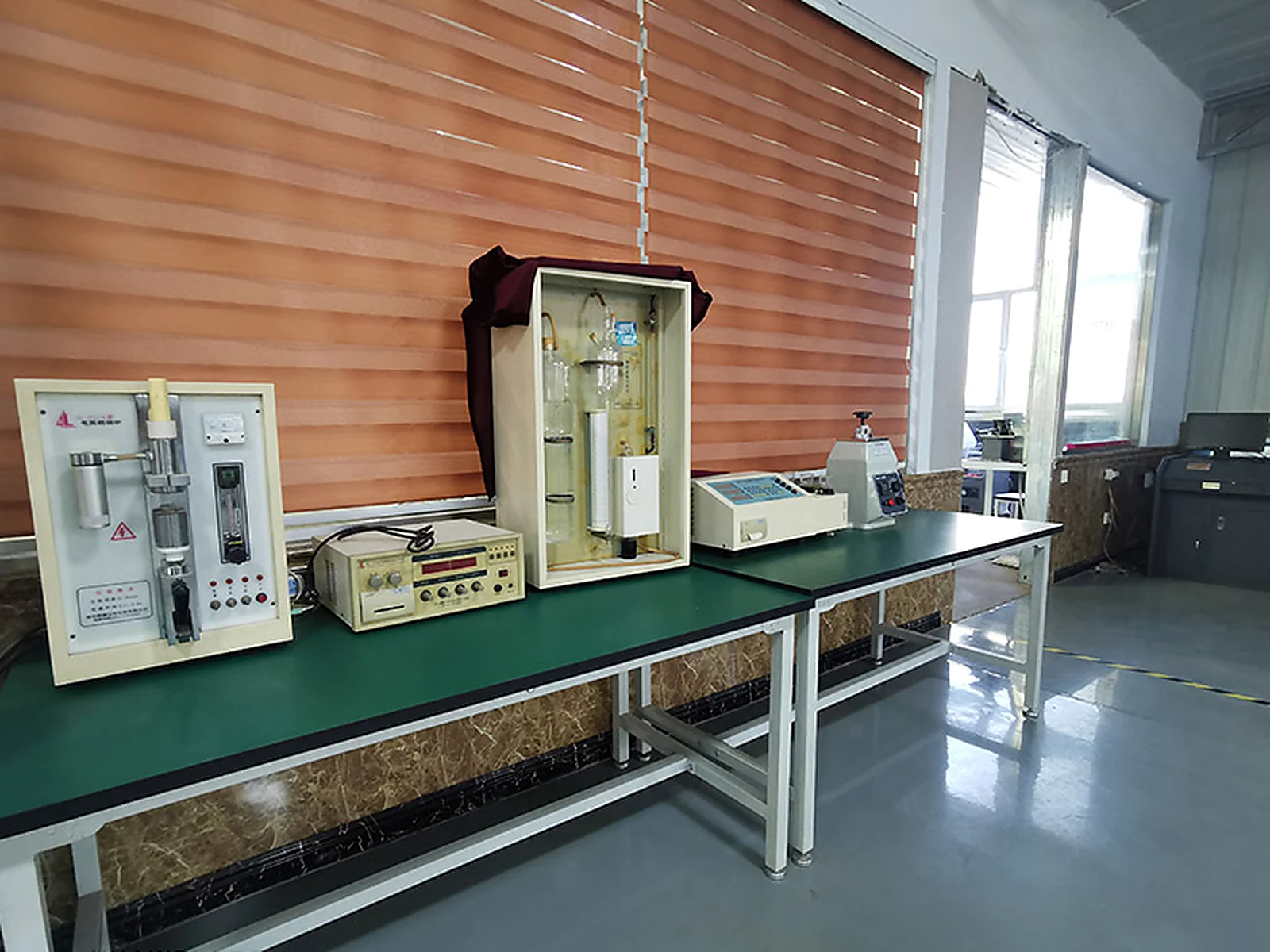
ServiceExplore YONGYI fastener applications, OEM and drawing-based manufacturing, inspection support, packing and export order services.


Bent Screws, Loose Bolts & Fastener Problems
Support stable quality from material selection, processing and inspection to final delivery.
Top 5 Common Screw Bolt Issues and How to Fix Them Quickly
Published:
2026-06-03
Author:
YONGYI Fastener Technical Team
Solve common screw bolt issues like stripping, loosening, rust, and breakage with quick, practical fixes to keep your fasteners secure and reliable.
ARTICLE OVERVIEW
Identify causes of bent screws, loose bolts, damaged threads, corrosion and breakage, with practical inspection and replacement guidance for industrial fasteners.
Technical review: YONGYI Fastener Technical Team
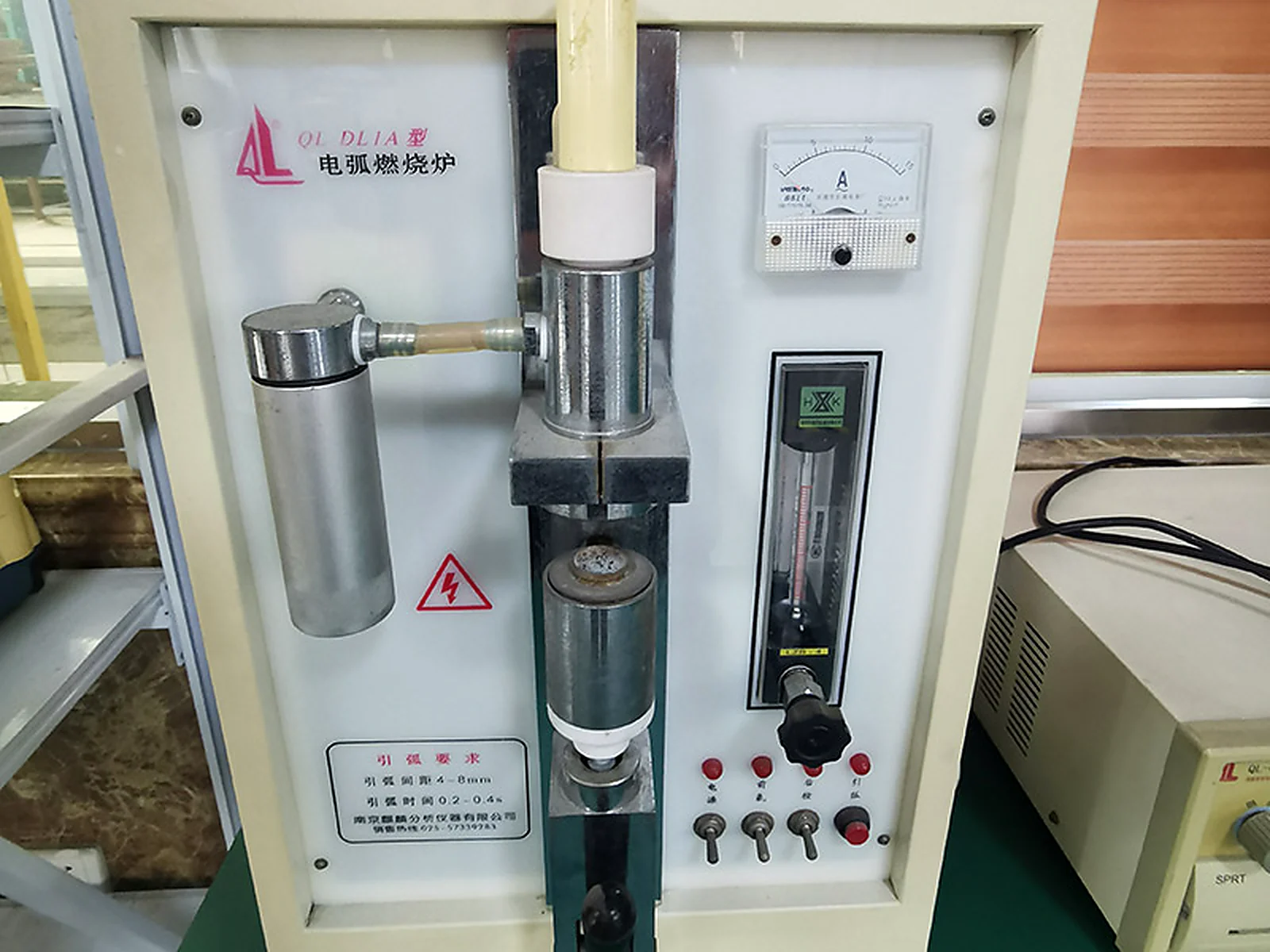
Bent screws, loose bolts and damaged threads are symptoms, not complete diagnoses. A safe correction starts by identifying whether the cause is alignment, overload, insufficient preload, the wrong grade, installation damage or corrosion. Critical structural, lifting, pressure or vehicle joints should be assessed by a qualified engineer or service professional.
Bent screws and bolts
A fastener may bend when the joint places it in unintended transverse load, the parts are misaligned, the grip length is wrong or the applied load exceeds the design. A visibly bent fastener should not be straightened and reused. Remove it safely, inspect the hole and mating parts, and correct the alignment or load path before installing a verified replacement.
Loose bolts and loss of preload
Loosening can follow joint settlement, vibration, embedment, an unsuitable tightening method or insufficient thread engagement. Simply tightening harder may damage the fastener or clamped parts. Review the specified preload or torque method, bearing surfaces, lubrication condition and approved locking strategy.
| Observed problem | Possible causes | What to verify |
|---|---|---|
| Bent shank | Misalignment, side load, overload, wrong grip | Joint geometry, load direction, diameter and grade |
| Repeated loosening | Settlement, vibration, low preload, unsuitable locking | Tightening procedure, surfaces and joint design |
| Damaged threads | Cross-threading, wrong pitch, contamination, galling | Thread gauges, mating part and installation tools |
| Head or drive damage | Wrong tool, poor engagement, excessive torque | Drive size, tool condition and removal method |
| Rust or coating failure | Wrong finish, damaged coating, severe environment | Exposure, coating specification and material compatibility |
Damaged and cross-threaded fasteners
If a nut does not run freely by hand at the start, stop. Forcing mismatched pitch, damaged lead threads or dirty threads can ruin both parts. Confirm metric versus inch threads, diameter and pitch. Inspect with suitable gauges when the application requires controlled fit. Replace damaged parts rather than hiding the problem with extra force.
Corrosion, galling and surface damage
Corrosion reduces section, interferes with tightening and can conceal cracking. Choose material and coating for the real environment, including moisture, salt, chemicals and temperature. Stainless mating threads can gall under friction; material pairing, surface condition and the approved installation procedure should be considered. Never add lubricant to a torque-controlled joint unless the procedure accounts for it.
Broken bolts and fatigue warning signs
A fracture can result from a single overload, repeated cyclic stress, hydrogen-related cracking, material defects or installation damage. Preserve failed parts for examination when the joint is important. Replacing the bolt with a higher grade without checking the assembly can shift the failure elsewhere and is not a proper root-cause correction.
Inspection and replacement checklist
- Make the equipment safe and unload the joint.
- Record the location, orientation and visible condition.
- Confirm the drawing or standard, dimensions, material, grade and finish.
- Inspect mating threads, holes, washers and contact surfaces.
- Identify why the original fastener failed before replacement.
- Use the approved installation and tightening procedure.
- Document the replacement lot and any required inspection.
For production replacement orders, send YONGYI the failed-part photos, drawing or standard, dimensions, grade, coating and required documents. Review our industrial screw range or request a specification review.
FAQ
Can a bent screw be straightened and reused?
No. Plastic deformation and hidden damage make reuse unreliable. Replace it and correct the cause of bending.
Does a loose bolt always need more torque?
No. Looseness can indicate settlement, damaged threads, wrong joint design or an unsuitable tightening method. Verify the specification first.
Should I replace a failed bolt with a higher grade?
Only when the joint designer approves it. Higher strength changes ductility, tightening behavior and load distribution.
Get Quote
Welcome To Know Our Products
Get Product and Service Information
Follow us
We provide OEM service and focus on stable quality, competitive pricing and responsive export support.


Contact Info
Add:Dongmingyang Industrial Park, Mingguan Town, Yongnian District, Handan City, Hebei Province China
Export salesman:
WhatsApp:+86 18830064300
E-mail: sales@yyfasteners.com
Export salesman:
WhatsApp
+86 18830064300
E-mail:
Copyright © 2026 HEBEI YONGYI FASTENERS MANUFACTURING CO., LTD. | Trade & Legal Information | HTML Sitemap
